February 21, 2026 · By Abraham Wix-Expert
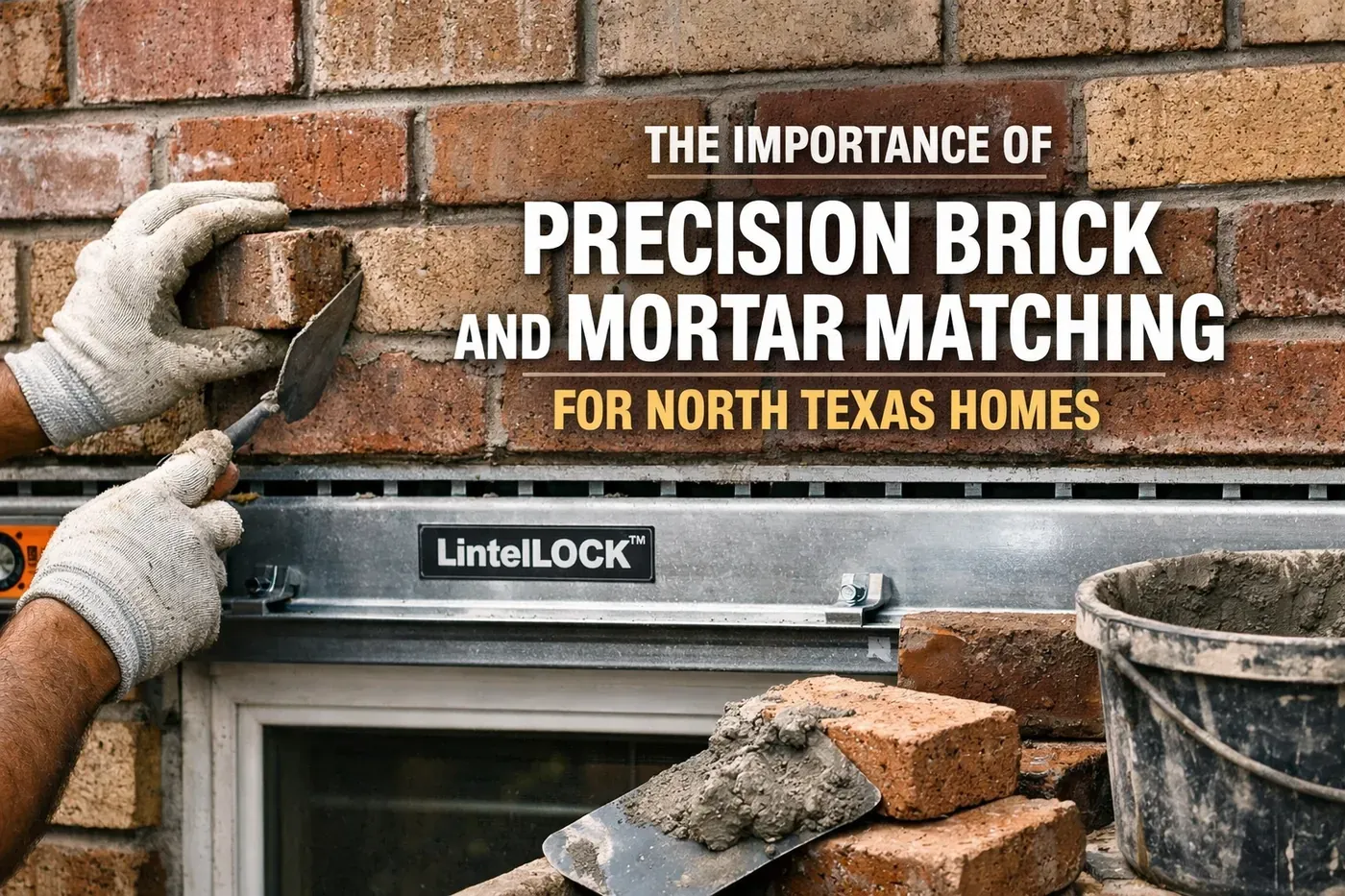
Walk through any North Texas neighborhood in Plano, Frisco, McKinney, or Dallas, and you'll spot them immediately: homes with obvious brick repairs that stand out like a sore thumb. Mismatched bricks create jarring color patches. Wrong mortar turns tan when it should be gray, or vice versa. These "eyesore repairs" signal one thing to potential buyers: amateur work that needs redoing.
Expect your property value to drop when mismatched repairs are visible. Home inspectors flag these issues during walkthroughs. Buyers recognize both the aesthetic problem and the structural risks lurking beneath. What looks like a simple cosmetic flaw often indicates deeper compatibility issues that threaten your home's integrity.
Don't confuse a close-enough match with precision. In North Texas's climate extremes: scorching summers hitting 100°F and freeze-thaw cycles in winter: even slight material incompatibilities accelerate deterioration. Your investment deserves better than guesswork.
Matching isn't about eyeballing a brick at the hardware store. It's a technical process that addresses three critical factors: color, texture, and composition.
Bricks vary in hue based on:
Clay source and mineral content
Firing temperature (ranging from 1,800°F to 2,400°F)
Aging and weathering patterns
Regional manufacturing variations
Mortar color depends on sand type, cement ratios, and additives. North Texas homes built before 1950 typically used lime-based mortars with local sand, creating specific color profiles impossible to replicate with modern pre-mixed products.
Tip: Bring a clean, dry sample brick to your repair consultation. Wet bricks show different colors than dry ones, leading to poor matches.
Brick texture includes:
Surface finish (smooth, wire-cut, tumbled, sandblasted)
Edge treatment (sharp vs. rounded corners)
Face pattern (solid, cored, or frogged)
Mortar texture involves sand grain size and tooling method. A concave joint looks entirely different from a flush or weathered joint, even when colors match perfectly.
Here's where amateur repairs fail catastrophically. Older North Texas homes used lime-based mortars with a typical ratio of 1 part lime to 2-3 parts sand. These mortars are flexible and breathable, allowing moisture to escape.
Modern Portland cement mortars are harder and less permeable. When you repair old lime mortar with cement mortar, you create a moisture trap. Water cannot escape through the harder cement, so it forces its way through the softer brick instead. This causes:
Spalling (brick face deterioration)
Efflorescence (white salt deposits)
Internal cracking invisible from outside
Freeze-thaw damage during winter months
Caution: Never use mortar harder than your brick. The mortar should always be the sacrificial element in masonry systems.
Champion Brick Repair & Whitestone Construction serves Plano, Frisco, McKinney, Dallas, and surrounding communities with a systematic approach to brick and mortar matching.
We remove small samples of your existing brick and mortar for laboratory analysis. This reveals:
Exact sand gradation and type
Lime to cement ratios
Aggregate composition
Compressive strength ratings
Historical additives (ash, crushed brick dust, natural pozzolans)
Using analysis results, we create custom test batches matching your original mortar's composition. We adjust:
Lime content for flexibility
Sand color and grain size for appearance
Aggregate ratios for strength compatibility
Pigments only when necessary (we prefer natural material matches)
Each test batch cures for minimum 7 days before color evaluation. Wet mortar looks significantly darker than cured mortar.
We maintain relationships with specialty brick suppliers carrying discontinued lines and historical reproductions. For truly unique bricks common in older Plano and Frisco homes, we source salvaged materials from authorized demolition yards.
Consider texture matching as important as color. A wire-cut brick replacement in a hand-molded brick wall remains obvious regardless of color accuracy.
We don't just match materials: we match installation techniques. Historical homes require traditional tooling methods and joint profiles. Modern shortcuts create visual discontinuities that betray the repair.
North Texas presents unique masonry challenges that make precision matching non-negotiable:
Summer heat causes expansion. Winter cold brings contraction. Mismatched mortar with different thermal properties creates differential movement, opening cracks at repair boundaries.
Our climate alternates between drought and heavy rainfall. Improperly matched mortar traps moisture during wet periods, leading to internal damage invisible until major failure occurs.
Water trapped by incompatible mortar expands when frozen, exerting forces exceeding 25,000 psi. This shatters bricks from the inside out.
Tip: Schedule masonry repairs during mild weather (spring or fall) when temperatures range between 40°F and 90°F for optimal curing.
We back our precision matching system with a lifetime warranty because we know our materials and methods will perform. This warranty covers:
Structural integrity of repaired sections
Color fastness and appearance retention
Mortar joint adhesion and performance
Brick replacement installations
Our warranty requires no periodic maintenance fees or renewal costs. It transfers to new homeowners when you sell, adding documented value to your property.
Compare this to typical contractor warranties of 1-3 years. The difference reflects our confidence in precision matching versus approximation.
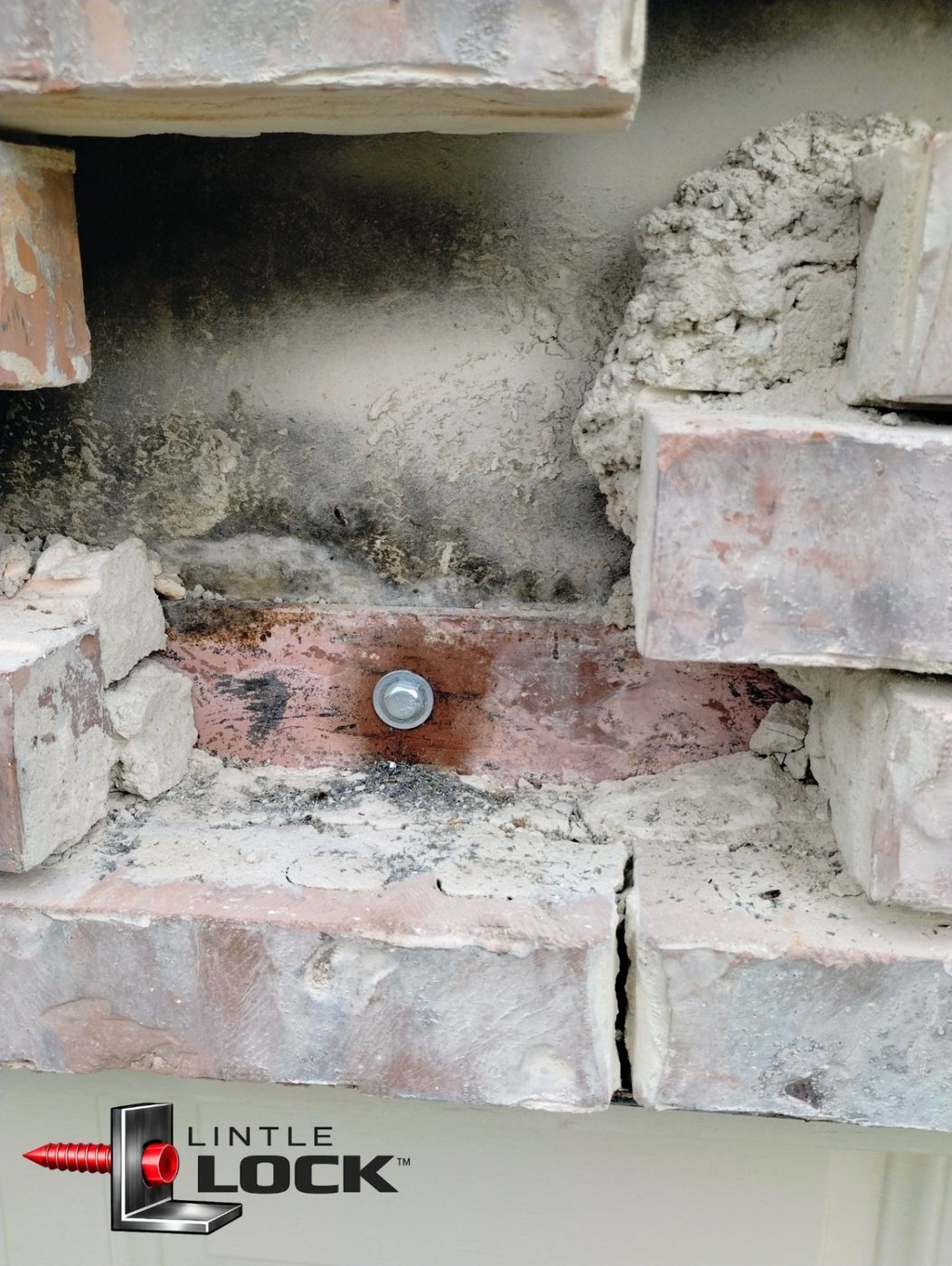
For structural repairs involving lintel failure, we integrate our proprietary LintleLOCK™ system, which provides permanent lintel support backed by the same lifetime warranty. Learn more about lintel-specific repairs at lintlerepair.com.
Don't accept vague promises about "close matches" or "industry-standard materials." Demand specifics:
Written material specifications including mortar mix ratios and brick manufacturer details
Test patch approval before full-scale repairs begin
Composition analysis results showing mortar compatibility
Warranty documentation clearly stating coverage terms and transfer provisions
Before and after photos with close-up details of match quality
Legitimate professionals welcome these requirements. Contractors who resist transparency often cut corners with pre-mixed mortars and big-box store bricks that never match properly.
Your North Texas home represents significant investment. Protect its value by insisting on precision brick and mortar matching that addresses aesthetics, structural compatibility, and long-term performance.
Amateur repairs cost less initially but require complete redo within 5-10 years when failures become obvious. Professional precision matching costs more upfront but eliminates future repair cycles while maintaining or increasing property value.
Visit championbrickrepair.com to schedule a free assessment. Our team serves Plano, Frisco, McKinney, Dallas, and throughout North Texas with the technical expertise your home deserves.
Take Action: After experiencing our precision matching process, share your results by leaving a review at our Google page. Your feedback helps North Texas homeowners make informed decisions about protecting their masonry investments.
Don't let mismatched repairs diminish your home's value and integrity. Contact Champion Brick Repair & Whitestone Construction today for precision matching backed by our lifetime warranty.
Disclaimer: Champion Brick Repair is a division of Whitestone Construction, Hamilton, Texas, and is not affiliated with any other companies using similar names.
Cracks are ugly — let Champion Brick Repair fix them right, with mortar matched to your home and a lifetime warranty.