March 16, 2026 · By Travis Nech
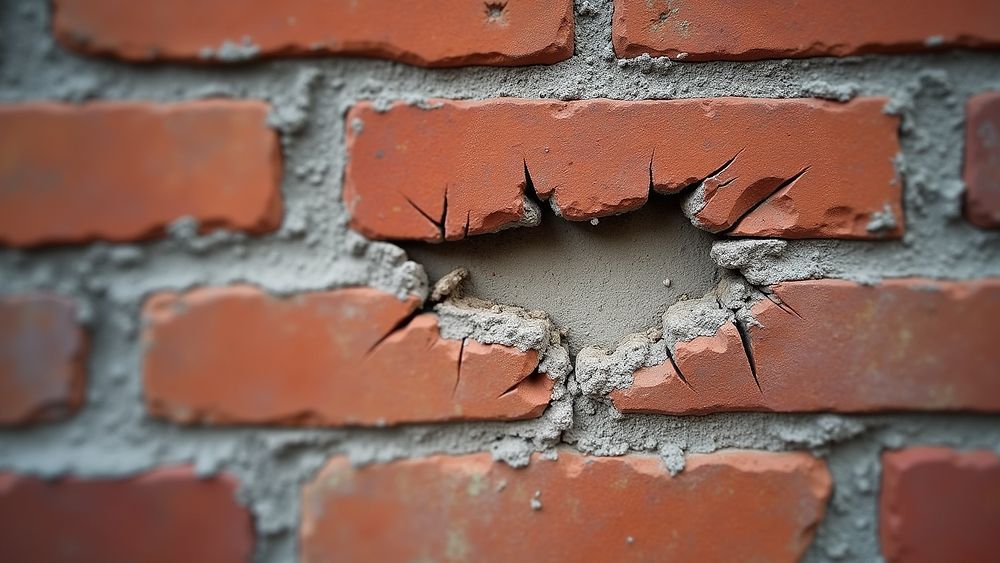
When it comes to maintaining the integrity and beauty of your property, structural masonry repair plays a crucial role. Whether you own a historic building or a modern home, understanding the basics of masonry repair can save you time, money, and headaches down the road. In this guide, I’ll walk you through everything you need to know about structural masonry repair in Waco, from identifying common issues to choosing the right repair methods.
Masonry is one of the oldest and most durable building materials. It includes bricks, stones, concrete blocks, and mortar. Over time, these materials can suffer from wear and tear due to weather, settling, or poor construction. Structural masonry repair focuses on fixing these damages to restore strength and prevent further deterioration.
Ignoring cracks, crumbling mortar, or shifting bricks can lead to serious problems like water infiltration, mold growth, and even structural failure. Repairing masonry early helps maintain your building’s safety and appearance. Plus, it preserves the value of your property.
Cracks in walls or foundations: Horizontal, vertical, or stair-step cracks can indicate settling or foundation issues.
Spalling bricks: When the brick surface flakes or peels off, it’s a sign of moisture damage.
Loose or missing mortar: Mortar joints that crumble or fall out weaken the wall’s stability.
Bulging or leaning walls: This is a serious warning that the structure may be failing.
Water stains or efflorescence: White powdery deposits on bricks show moisture problems.
If you spot any of these signs, it’s time to take action.

Repairing masonry isn’t just about slapping on new mortar or replacing bricks. It requires a careful assessment and the right techniques to ensure lasting results.
Start by thoroughly inspecting the affected areas. Look for the types of damage and try to determine the cause. Is it water damage, foundation settling, or poor original construction? Sometimes, you may need a professional engineer’s evaluation, especially for historic or large buildings.
Before any repair, clean the masonry surface to remove dirt, loose mortar, and debris. Use gentle methods like brushing or low-pressure washing to avoid further damage.
Match the new mortar or bricks to the existing ones in color, texture, and strength. For historic buildings, using the wrong mortar can cause more harm than good. Lime-based mortars are often preferred for older masonry because they allow the wall to breathe.
Repointing: Removing damaged mortar and replacing it with new mortar. This is the most common repair method.
Brick Replacement: Removing and replacing severely damaged bricks.
Crack Stitching: Installing stainless steel bars across cracks to stabilize the wall.
Tuckpointing: A decorative technique that also seals mortar joints.
After repairs, applying a breathable sealant can protect masonry from moisture without trapping it inside.
If you’re tackling minor repairs yourself, here’s a quick list of essentials:
Mortar mix (preferably lime-based for historic masonry)
Trowel and pointing tools
Hammer and chisel
Wire brush
Masonry cleaner
Safety gear (gloves, goggles, dust mask)
For larger or structural repairs, it’s best to hire professionals who have access to specialized equipment and expertise.

Once your masonry is repaired, keeping it in good shape is key to avoiding future problems.
Regular Inspections: Check your walls at least twice a year for new cracks or mortar deterioration.
Control Moisture: Ensure gutters and downspouts direct water away from your foundation.
Avoid Harsh Chemicals: Use gentle cleaning methods to prevent damage.
Address Vegetation: Remove vines or plants growing on masonry, as roots can cause cracks.
Professional Checkups: For historic or complex structures, schedule periodic evaluations by masonry experts.
Some masonry issues are too complex or dangerous to handle on your own. If you notice major structural problems like bulging walls, large cracks, or foundation shifts, it’s time to bring in professionals. They can provide a detailed assessment and recommend the best course of action.
If you’re in the Waco area, you can find trusted specialists who focus on structural masonry repair waco to ensure your property gets the care it deserves.
Structural masonry repair is more than just fixing bricks and mortar. It’s about preserving the safety, value, and charm of your property. Whether you’re dealing with a historic renovation or routine maintenance, understanding the repair process empowers you to make smart decisions.
Remember, early detection and proper repair techniques are your best defense against costly damage. Keep an eye on your masonry, act promptly, and don’t hesitate to seek expert help when needed. Your building will thank you for it!
Thanks for reading this guide. If you have any questions or want to share your own masonry repair experiences, feel free to reach out or leave a comment below!
Cracks are ugly — let Champion Brick Repair fix them right, with mortar matched to your home and a lifetime warranty.