July 3, 2026 · By Abraham Wix-Expert
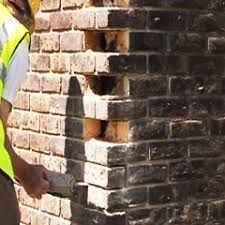
If you live in the Dallas-Fort Worth area, you aren’t just living on dirt; you’re living on the infamous "Blackland Prairie" clay. For a homeowner, this soil is a living, breathing, and expanding force of nature. If you’ve started noticing thin zig-zags in your mortar or gaps appearing around your window frames, you’re likely asking the same question every Dallas resident eventually asks: Are these brick cracks bad?
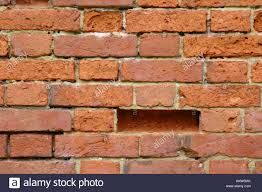
The short answer is: they aren't just cosmetic. In North Texas, a brick crack is a symptom of a much larger battle happening beneath your feet. Understanding why your walls are splitting is the first step toward repairing brick wall damage before it becomes a structural nightmare.
Dallas sits on highly expansive "reactive" clay. This soil acts like a sponge. When it rains (or when you over-water your lawn), the clay absorbs water and can expand between 10% to 20% in volume. This exerts an incredible upward force, sometimes up to 10,000 pounds per square foot, against your foundation. This is called heave.
Then comes the Texas summer. As the heat bakes the ground, the moisture evaporates, and the soil shrinks dramatically. Your foundation suddenly loses its support and drops. This is called settlement.
Because your brick walls are rigid, they cannot "flex" with this constant up-and-down movement. When the stress becomes too much, the wall snaps. That’s when you start searching for brick crack repair near me.
Not all cracks are created equal. As experts in masonry repair in Dallas, TX, we look for specific patterns that tell us exactly how your soil is misbehaving.
These are the most common cracks we see. They follow the mortar joints in a zig-zag pattern that looks like a set of stairs.
What it means: This usually indicates differential settlement. One corner of your house is sinking faster than the rest, pulling the brickwork apart.
The Risk: If left unaddressed, these cracks allow water to penetrate behind the brick, leading to wood rot and pest infestations.
If you see a crack running horizontally along a single mortar line, pay attention.
What it means: This is often caused by lateral soil pressure (the clay pushing inward against your foundation) or foundation heave.
The Risk: These can be structurally significant. They often indicate that the wall is bowing or being pushed out of alignment.
What it means: Often caused by thermal expansion or the edges of the foundation "dropping" during a drought.
The Risk: Vertical cracks at the corners can lead to the "peeling" of the brick veneer away from the home's framing.
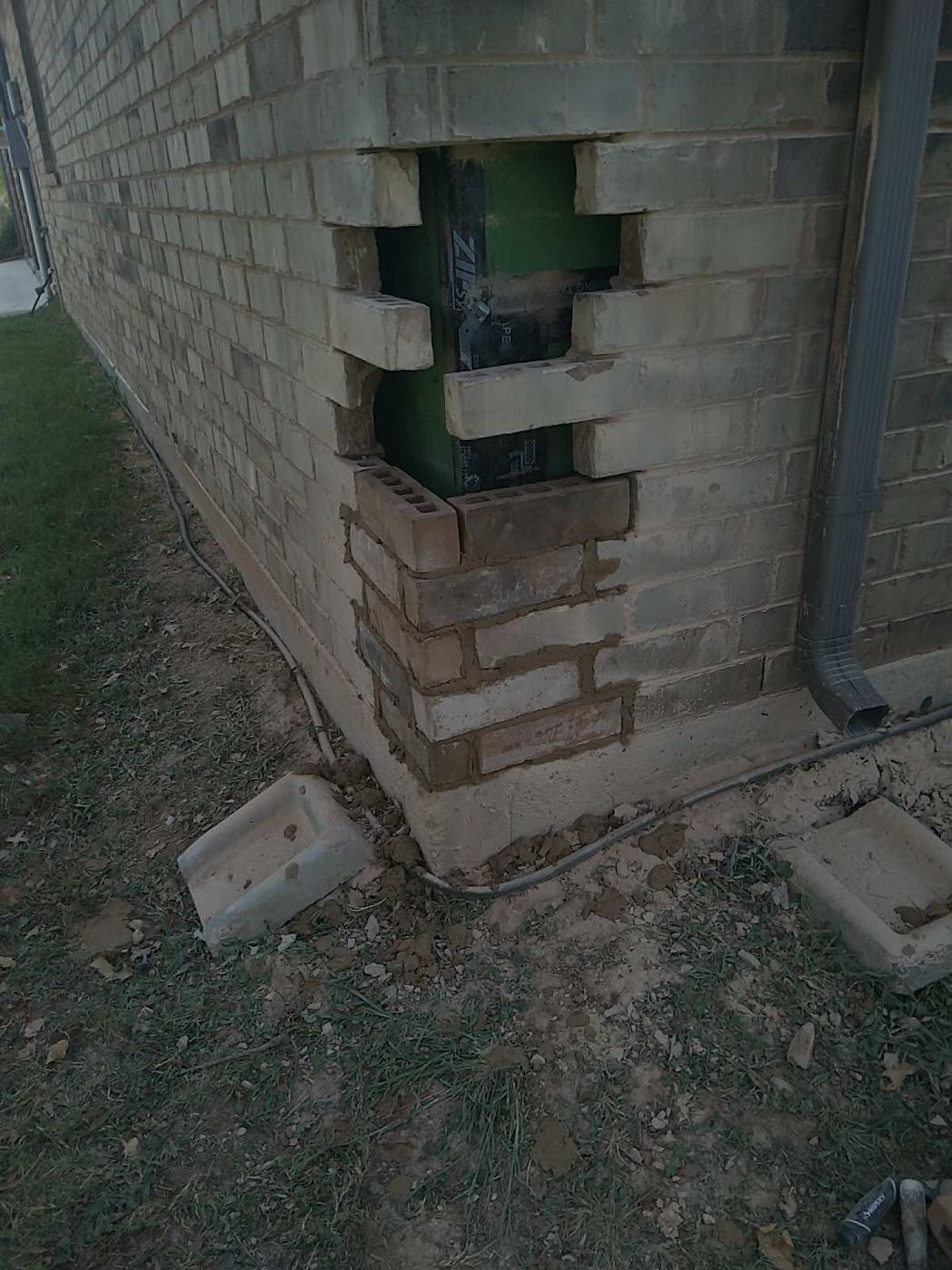
We see it all the time: a homeowner buys a tube of caulk or a bag of premixed mortar from a big-box store and smears it into the crack.
Don't do this.
Here is why "patching" is a waste of time in Dallas:
The Movement Hasn't Stopped: If you don't address the soil moisture or the structural stability, the wall will continue to move. Your rigid patch will simply crack again within six months.
Color Matching Nightmares: Standard mortar rarely matches the aged mortar on a Dallas home. You’ll end up with a "scar" across your house that looks worse than the original crack.
Trapped Moisture: Improperly sealing a crack can trap water behind the brick. In the winter, that water freezes, expands, and blows the faces off your bricks (a process called spalling).
Expert Tip: Professional repairing brick wall services involve more than just filling a hole. At Champion Brick Repair & Whitestone Construction, we analyze the cause, match the mortar precisely, and ensure the repair is structural, not just a skin-deep fix.
When you’re looking for masonry repair in Dallas, TX, you need a team that understands the local geology. We don't just "fill cracks." We use the Champion Brick Repair System to ensure the repair stays put.
Precision Matching: We have no trouble matching your brick, stone, or mortar, even for historic Dallas buildings. We take samples and ensure the texture and color are seamless.
Structural Integrity: If your cracks are caused by failing supports, like the steel lintels over your garage, we use specialized systems like LintleLOCK™ to fix the root cause.
Lifetime Guarantee: We are so confident in our precision that we back our repairs for life.
While you can’t change the soil your house is built on, you can manage how that soil behaves.
The goal is consistency. You want the soil around your foundation to stay at a relatively even moisture level year-round.
Soaker Hoses: During dry July and August weeks, use soaker hoses around the perimeter of your foundation.
Gutter Maintenance: Ensure your downspouts discharge at least 3 to 5 feet away from your foundation. Ponding water near the walls is the #1 cause of heave.
Large trees like Oaks or Pecans can drink hundreds of gallons of water a day. If a tree is too close to your house, it will suck the moisture out from under one side of your foundation, causing it to drop. Consider root barriers if a tree is encroaching on your masonry.
If you’ve spotted cracks in your brickwork, don't wait for the next season's soil shift to make them worse. Whether it's a small stair-step crack or a major structural gap, Champion Brick Repair & Whitestone Construction is here to help.
We work with all insurance carriers to make your repairs seamless and stress-round. We’re committed to providing top-of-the-line brick and mortar repair services with guaranteed quality and precision.
Get a quick and easy free online estimate here:https://champion-brick-repair.sintra.site/get-estimate
For general masonry services, chimneys, and mailboxes, call us at (817) 523-1540.
Champion Brick Repair & Whitestone Construction are BBB Accredited Businesses. This accreditation reflects our commitment to the BBB Code of Business Practices. Click for review to see our profile and what our customers have to say about our work.
If we’ve already completed a project for you, we’d love to hear your feedback! Please leave us a review here: https://g.page/r/CWX03ZFdqAk6EBE/review
Disclaimer: Champion Brick Repair is a division of Whitestone Construction, Hamilton, Texas, and is not affiliated with any other companies using similar names.
Cracks are ugly — let Champion Brick Repair fix them right, with mortar matched to your home and a lifetime warranty.