February 9, 2026 · By Abraham Wix-Expert

Living in Dallas means dealing with expansive clay soil, intense summer heat, and freeze-thaw cycles that put serious stress on your brickwork. Unfortunately, most homeowners make critical errors when addressing brick damage: mistakes that turn a $500 repair into a $5,000 disaster.
After decades of masonry repair dallas tx projects, we've seen the same preventable problems over and over. Here's what you need to avoid.
That YouTube tutorial makes repointing look easy. Mix some mortar, scrape out the old stuff, pack in the new: done, right?
Wrong.
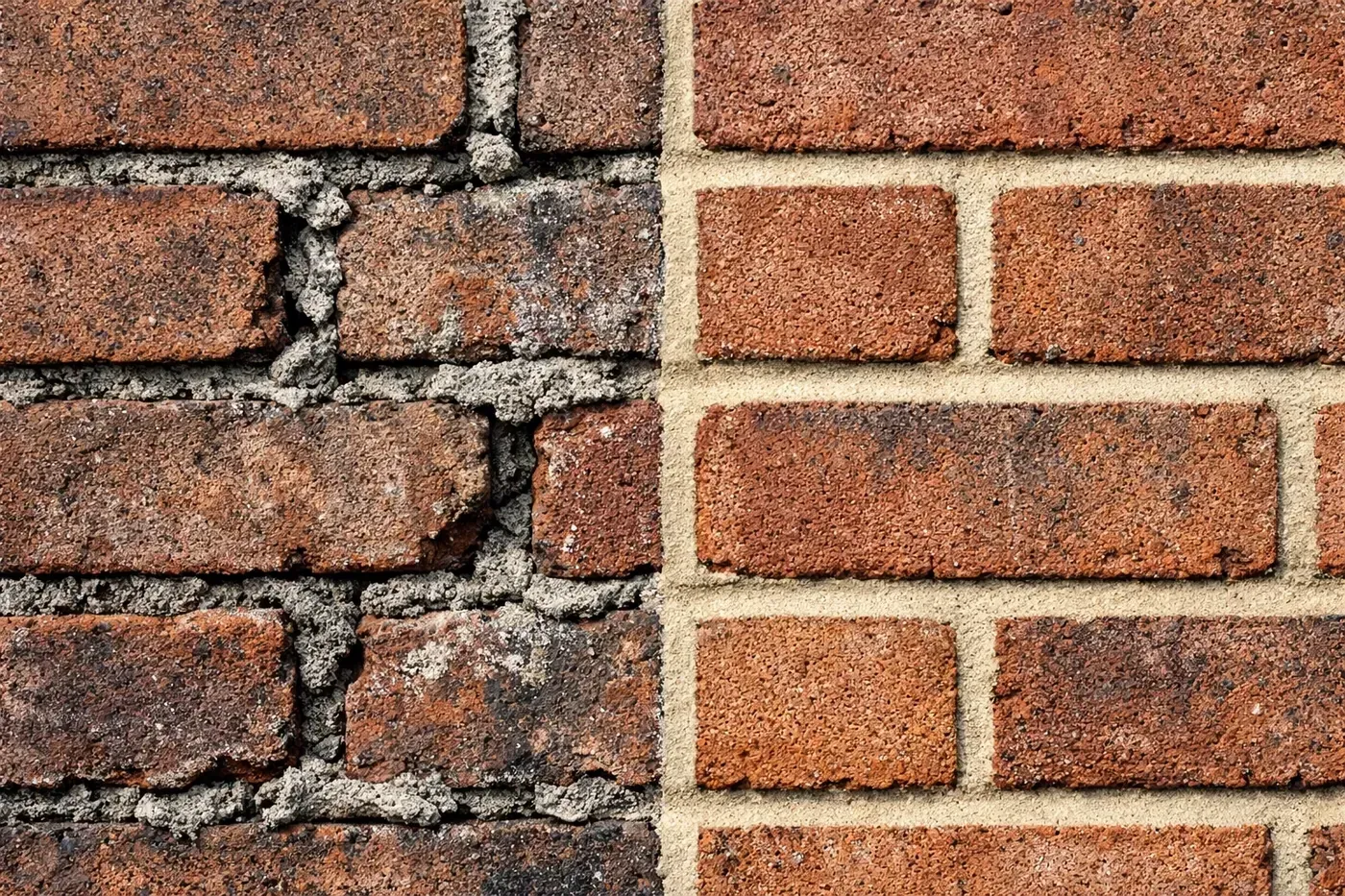
Repointing requires matching both the strength and breathability of the original mortar. Dallas homes built before 1940 typically used softer lime-based mortars. If you repoint with modern Portland cement mortar (Type N or S), you create a moisture trap. The harder mortar prevents water vapor from escaping through the joints, forcing it through the brick faces instead.
The result? Spalling, efflorescence, and brick deterioration within 2-3 years.
How to Fix It: Have a professional analyze your existing mortar before any repointing work begins. They'll match the mortar grade, sand color, and joint profile to preserve your wall's structural integrity and appearance. For historic Dallas homes in neighborhoods like Munger Place or Swiss Avenue, proper mortar matching is absolutely critical for both performance and preservation requirements.
You patch a crack. Three months later, it's back: wider than before.
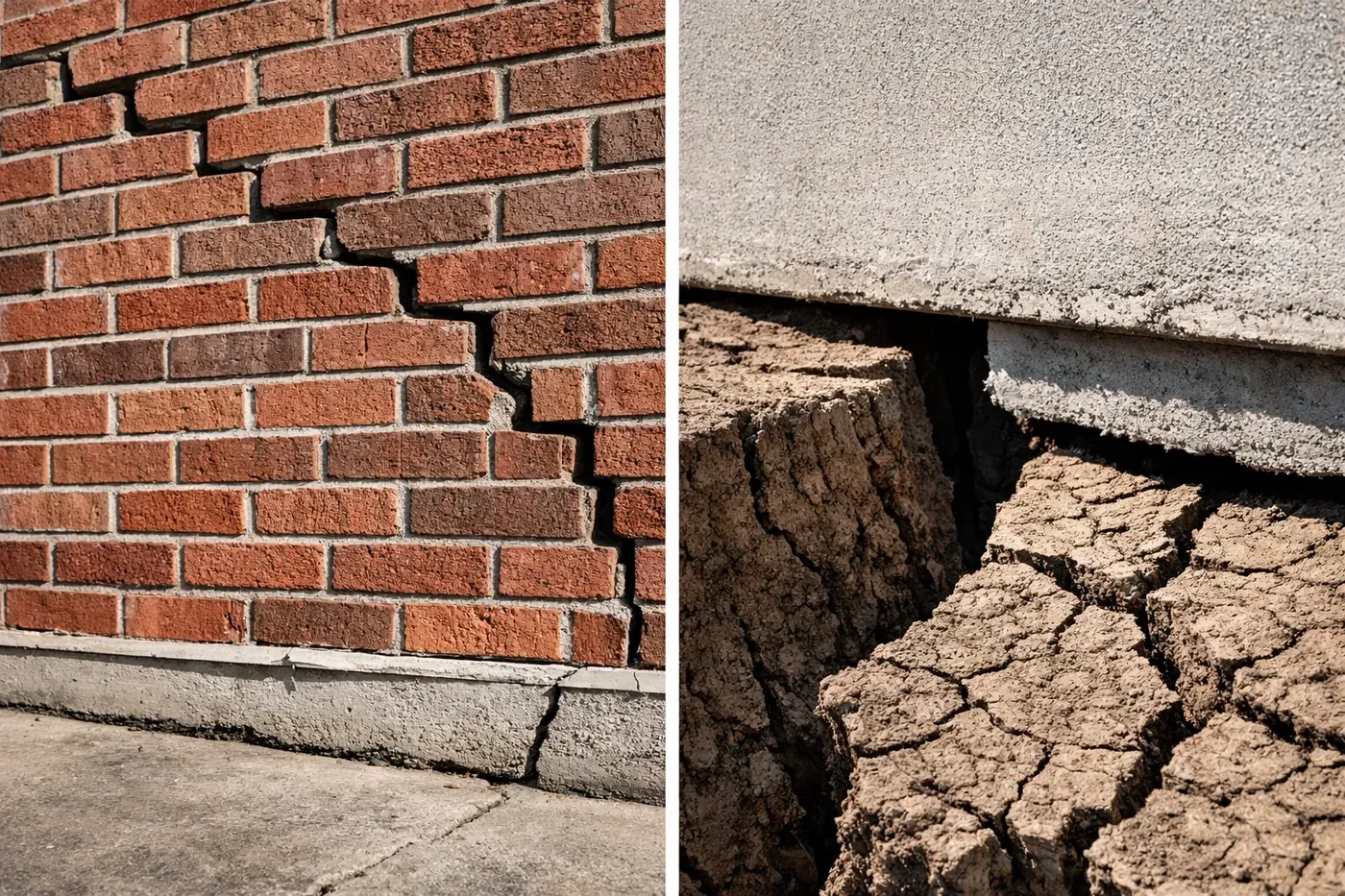
This cycle repeats because you're treating the symptom, not the disease. That crack isn't the problem; it's a warning sign of foundation movement, soil settlement, or water infiltration.
Dallas sits on expansive clay soil that swells when wet and shrinks when dry. This constant movement creates stress points in your brick veneer. Patching cracks without addressing soil moisture issues guarantees recurring damage.
How to Fix It: Before any brick repair dallas work begins, investigate the root cause:
Check for drainage problems (gutters, downspouts, grading)
Look for foundation settlement or heaving
Identify moisture sources near the damaged area
Monitor cracks for continued movement
Professional brick repair starts with a thorough structural assessment. At Champion Brick Repair, we don't just patch: we diagnose why the damage occurred and prevent it from happening again.
"It's just a hairline crack: I'll deal with it next spring."
This mindset costs Dallas homeowners thousands annually. Small cracks allow water penetration. In our climate, that water:
Freezes and expands during winter cold snaps
Activates clay soil expansion during rainy periods
Deteriorates mortar joints from the inside
Creates rust expansion on metal lintels
What starts as a $200 tuckpointing job becomes a $3,500 lintel replacement within 18-24 months.
How to Fix It: Address brick damage as soon as you notice it. Set a reminder to inspect your home's exterior twice yearly: once in spring after freeze-thaw cycles, once in fall before winter weather arrives.
Tip: Not sure if that crack needs immediate attention? Call us at (817) 523-1540 for a free assessment. We'll tell you honestly whether it's urgent or can wait.
The lowest bid seems attractive until you see the results.
Unqualified contractors create problems that cost more to fix than proper repair would have cost initially:
Mismatched mortar that crumbles within months
Improper flashing installation that channels water behind the brick
Cosmetic repairs over structural damage
Violation of building codes requiring costly corrections
Dallas has no shortage of "weekend warriors" offering cheap brick repair. Many lack proper licensing, insurance, or masonry training. When their work fails: and it will: they're nowhere to be found.
How to Fix It: Vet contractors thoroughly:
Verify licensing and insurance coverage
Ask for references from projects completed 3+ years ago
Request detailed written estimates explaining the scope of work
Look for specialized masonry expertise, not general contractors dabbling in brickwork
Check reviews specifically mentioning Dallas-area projects
Professional masons understand local building codes, soil conditions, and climate challenges specific to DFW. This knowledge directly impacts repair longevity.
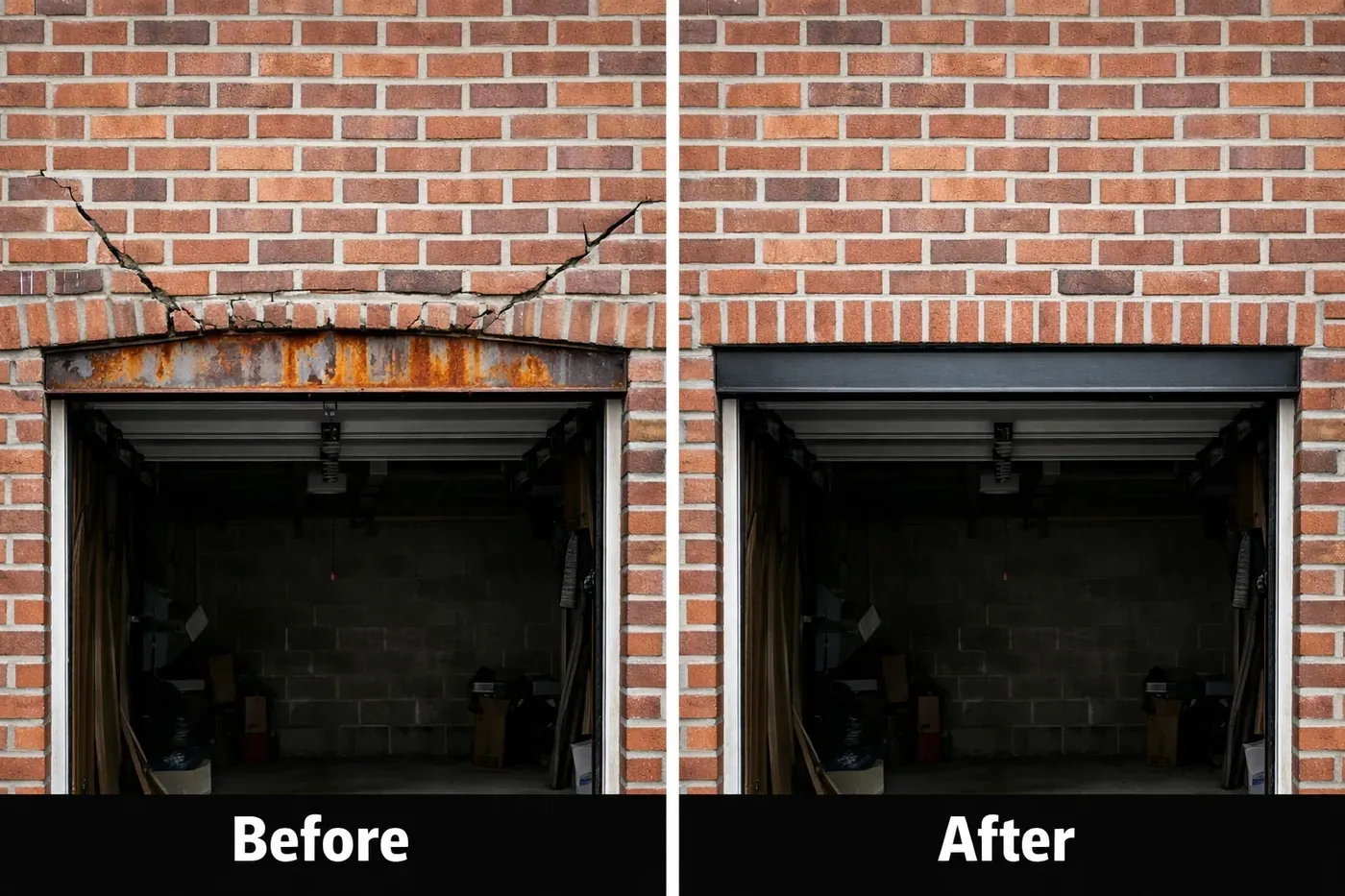
By the time you see a sagging garage door opening or diagonal stair-step cracks above a window, your lintel has been failing for months: possibly years.
Steel lintels rust and expand, creating pressure that cracks the brick above. The expansion also pushes lintels forward, creating the "shelf" effect where bricks protrude outward.
Many homeowners attempt cosmetic crack repair without addressing the failing lintel underneath. This wastes money on repairs that immediately re-crack.
How to Fix It: Learn to recognize early lintel failure signs:
Horizontal cracks directly above windows or garage doors
Rust staining below these cracks
Bricks that seem to bulge or protrude slightly
Vertical separation at the corners of openings
Our LintleLOCK™ system provides a permanent solution without traditional lintel replacement. Instead of tearing out multiple courses of brick, we stabilize the existing structure and prevent further movement: typically for less than half the cost of conventional replacement.
Garage lintel repair cost varies based on opening width and damage extent, but addressing it early saves substantially compared to waiting until partial wall collapse occurs.
Modern materials aren't always better for historic or older brickwork.
Common mistakes include:
Using Portland cement mortar on soft historic brick
Applying waterproof sealers that trap moisture
Installing synthetic stucco over brick
Repairing with mismatched brick that has different absorption rates
These material mismatches create moisture problems, differential movement, and accelerated deterioration.
How to Fix It: Match repair materials to existing construction:
For pre-1950s homes: Use lime-based mortars (Type O or softer)
For modern brick: Type N mortar typically works well
For replacement brick: Match absorption rates and thermal expansion properties
For sealers: Use breathable products if any at all: most brick doesn't need sealing
Professional masons maintain relationships with specialty suppliers who can source matching brick for Dallas-area homes, including discontinued colors and sizes common in neighborhoods like Lakewood or Oak Cliff.
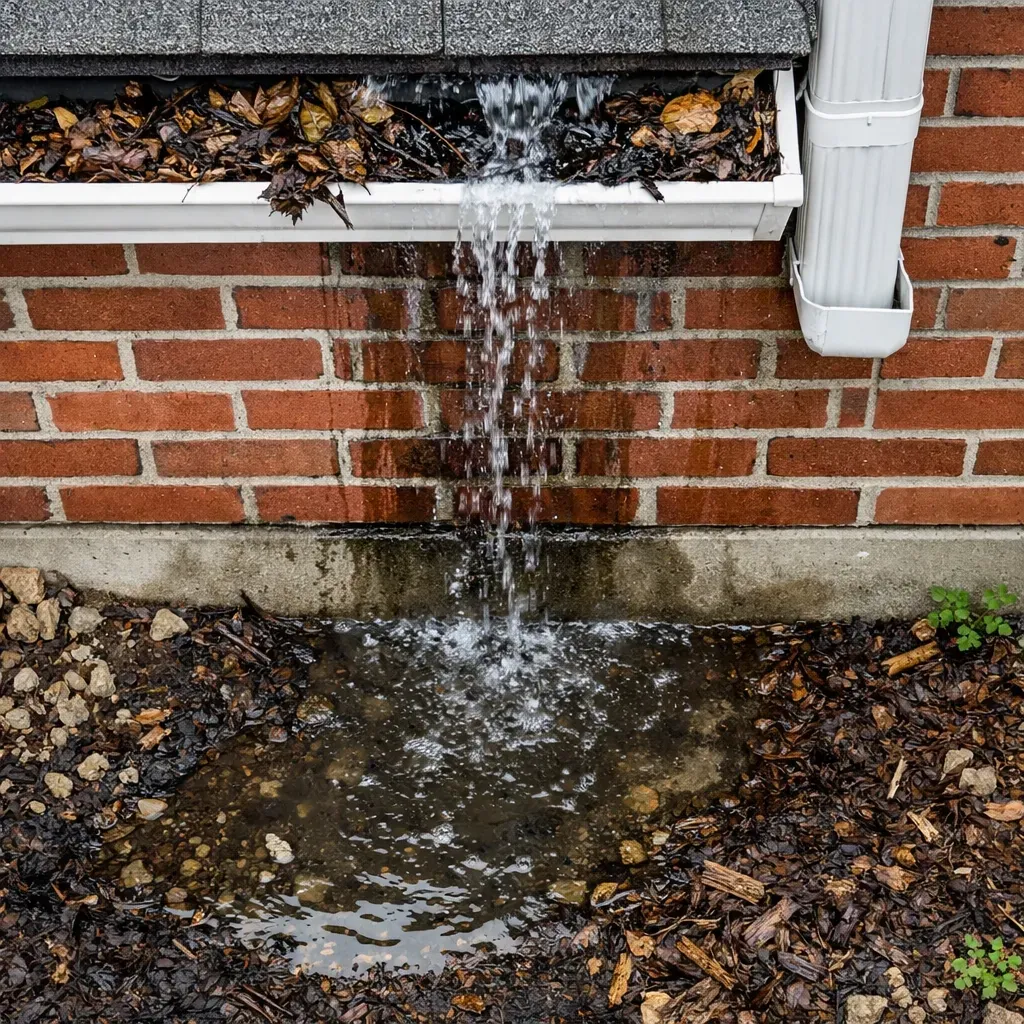
Water is brick's greatest enemy. Most brick damage traces back to moisture infiltration from:
Clogged or missing gutters
Poor grading that slopes toward the foundation
Failed or absent flashing
Sprinkler systems aimed at brick walls
Missing or deteriorated caulking
Homeowners spend hundreds repairing brick damage while ignoring the water source causing it. The damage returns within months.
How to Fix It: Implement comprehensive water management:
Clean gutters quarterly and ensure downspouts direct water 6+ feet from the foundation
Regrade areas where soil slopes toward your home
Inspect flashing at roof-wall intersections, above windows, and at foundation level
Redirect sprinklers away from brick surfaces
Install French drains in chronically wet areas
Caution: In Dallas's clay soil, consistent moisture levels matter more than dry soil. Avoid extreme fluctuations: constant drought followed by heavy watering creates maximum expansion/contraction cycles.
Water management isn't glamorous, but it prevents 70% of brick repair needs. Consider it insurance for your masonry investment.
Dallas homeowners face unique masonry challenges from our climate and soil conditions. Avoiding these seven mistakes protects your investment and preserves your home's structural integrity.
Whether you're in Plano, Frisco, Allen, or anywhere in the DFW metroplex, professional brick repair starts with proper diagnosis and proven solutions.
At Champion Brick Repair & Whitestone Construction, we've built our reputation on permanent fixes, not temporary patches. Our team understands Dallas-specific masonry challenges and provides honest assessments: even when that means telling you a repair can wait.
Notice cracks, damaged mortar, or suspicious brick movement? Call us at (817) 523-1540 or visit our website for a free inspection. We'll identify the real problem, explain your options clearly, and provide a detailed estimate with no pressure tactics.
Don't let minor brick damage become a major expense. Address it correctly the first time.
Cracks are ugly — let Champion Brick Repair fix them right, with mortar matched to your home and a lifetime warranty.